

If you’re skipping sunscreen in your skincare routine, you’re leaving your skin unprotected against its biggest threat: the SUN. While cleansers, serums, and moisturizers are all important, sunscreen is the single most essential product for healthy skin.
Whether your goal is to prevent premature aging, protect against hyperpigmentation, or lower your risk of skin cancer, sunscreen is non-negotiable.
So why do professionals around the world emphasize sunscreen above all else? Let’s break it down.
Why Sunscreen Matters More Than You Think
Your skin gets exposed to harmful ultraviolet (UV) rays every time you step outside, and sometimes even indoors. These rays can penetrate deep into the skin, which may end up causing lasting damage.
- UVA rays: penetrate deeply, causing premature aging, fine lines, and sagging skin.
- UVB rays: the main culprits behind sunburn and skin cancer.
- HEV (blue light): emitted from screens, can worsen pigmentation issues.
No matter how many serums you use, they can’t undo the damage from daily unprotected sun exposure. That’s why sunscreen isn’t just an “add-on”—it’s the foundation of effective skincare.
That’s why professionals always advocate for making sunscreen your number one skincare priority.
The Long-Term Benefits of Sunscreen
1. Protection Against Skin Cancer
Skin cancer is one of the most common cancers worldwide, primarily caused by UV damage. Sunscreen acts as a protective shield, blocking harmful rays from damaging your skin cells.
2. Prevents Premature Aging
Did you know that up to 90% of visible skin aging is caused by the sun? Sunscreen helps prevent collagen breakdown, keeping your skin smooth, firm, and youthful.
3. Fights Hyperpigmentation
Conditions like melasma, dark spots, and post-inflammatory hyperpigmentation all worsen with sun exposure. Daily sunscreen use helps prevent these marks from deepening or spreading.
4. Maintains an Even Skin Tone
Consistent sunscreen use prevents uneven skin tone, allowing other products in your skincare routine, like brightening serums or moisturizers, to work more effectively.
Common Myths About Sunscreen—Debunked
Sunscreen has always been misunderstood for years, despite the constant educational awareness campaigns. Let’s clear up some of the biggest misconceptions:
Myth 1: Sunscreen is only for sunny days.
Truth: UV rays penetrate clouds and even glass, so sunscreen is necessary even on cloudy days or while indoors.
Myth 2: Darker skin tones don’t need sunscreen.
Truth: Melanin provides some natural defense and protection, but it’s not enough to prevent sun damage, hyperpigmentation, or skin cancer.
Myth 3: Makeup with SPF is enough.
Truth: The SPF in foundation or powder is usually not sufficient. You’d need to apply an unrealistically thick layer for full protection. Always use a dedicated sunscreen with 30+ SPF and above.
Myth 4: Sunscreen causes Vitamin D deficiency.
Truth: Proper application of sunscreen doesn’t cause vitamin D deficiency. You can safely protect your skin and still maintain healthy Vitamin D levels.
Choosing the Right Sunscreen for Your Skin
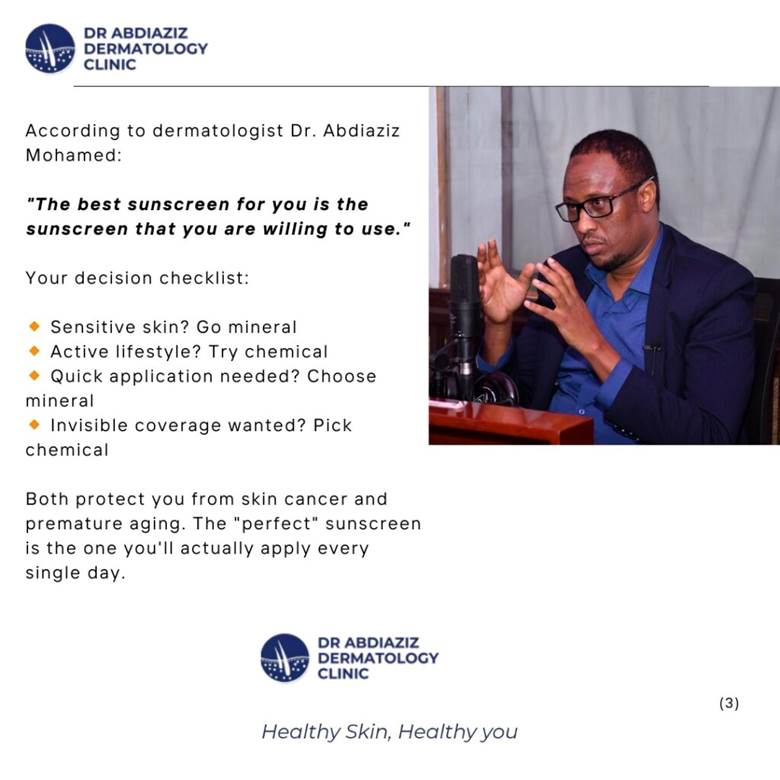
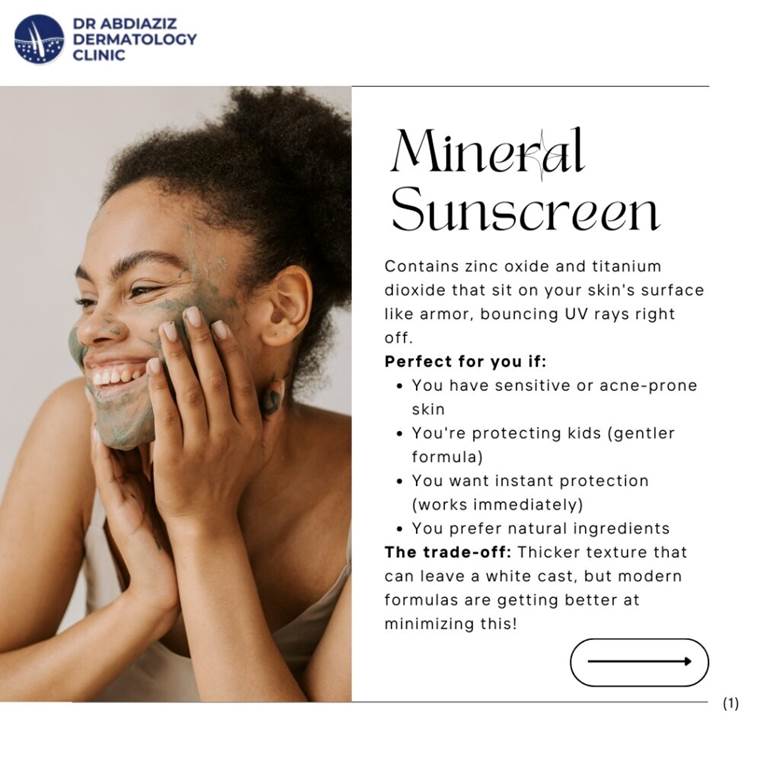
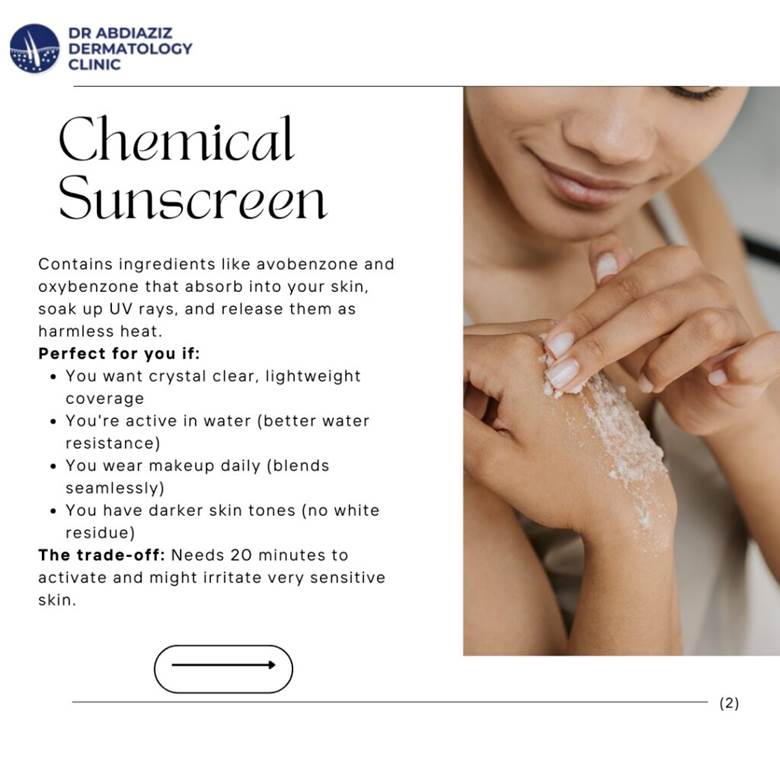
Not all sunscreens are created equal. The best sunscreen is the one that works for your skin type and lifestyle
1. For Sensitive Skin
People with sensitive skin should look for mineral sunscreens containing zinc oxide or titanium dioxide. These formulas are gentle and less likely to cause any irritation.
Try: La Roche-Posay Anthelios Mineral Zinc Oxide Sunscreen
2. For Oily and Acne-Prone Skin
If you have oily and acne-prone skin, the best choice for you would be a lightweight, oil-free sunscreen with a matte finish. You could also consider gel or fluid formulas that work best for preventing clogged pores.
Try: La Roche-Posay Anthelios Clear Skin Dry Touch Sunscreen SPF 60
3. For Dry Skin
And for dry skin, hydrating sunscreens with added ceramides or hyaluronic acid would be ideal for you. These formulas provide sun protection while locking in moisture.
Try: La Roche-Posay Anthelios Melt-In Milk Sunscreen SPF 60
4. For Everyday Use
If you want a versatile sunscreen for daily wear, go for a lightweight broad-spectrum SPF that layers well even under makeup.
Try: La Roche-Posay Anthelios Ultra-Light Fluid SPF 50
How to Apply Sunscreen Correctly
As jokingly as it sounds, even the best sunscreen won’t work unless you use it the right way. Professionals recommend:
- Using enough product. Apply at least half a teaspoon (two finger lengths) for your face and neck, and a full ounce (a shot glass amount) for your body.
- Applying sunscreen last, just after the moisturizer. Sunscreen should always be the final step before makeup.
- Reapplying every two hours. Sunscreen wears off with sweat, swimming, or even natural oils. Reapplication ensures ongoing protection.
- Remembering neglected areas, that is, ears, back of neck, eyelids, lips, and hands.
- Ensuring you check expiration dates before purchasing your sunscreen. Expired sunscreen loses its effectiveness, meaning it wouldn’t help you in any way.
Why Professionals Recommend Dermatologically Approved Sunscreen Products in the Market
The skincare industry can be extremely overwhelming with so many confusing products; hence, you need to be careful when purchasing your sunscreen. Always go for;
- FDA-approved and dermatologist-tested
- Broad-spectrum (protects against both UVA and UVB rays)
- Products suitable for sensitive skin
- Products formulated with skin-friendly ingredients that also nourish while protecting
Shop La Roche-Posay Sunscreens on Amazon
Final Thoughts
Skincare trends come and go, but sunscreen remains the most powerful, proven, and essential product for skin health. It protects you against premature aging, pigmentation, uneven skin tone, and most importantly, skin cancer.
Sunscreen isn’t optional—it’s your skin’s best defense. No matter your skin type—oily, dry, sensitive, or acne-prone—there’s a sunscreen designed for you.
Discover our recommended dermatologist-approved sunscreens here: Shop Now
— Dr. Abdiaziz Mohamed