

Alopecia, the medical term for hair loss, affects millions of people worldwide. Even though it is common, people often misunderstand it. This misunderstanding spreads false ideas and causes confusion, leading to emotional challenges and adding to the stigma for those dealing with it.
In this article, we will reveal the biggest myths and misconceptions about hair loss, share real medical facts, suggest products, and explain the condition further.
DISCLAIMER: We recommend products that have successfully helped our patients after a personalized diagnosis and prescription tailored to their specific skin conditions and types. Please avoid purchasing over-the-counter creams before consulting a certified dermatologist.
What is Alopecia (Hair Loss)?
Before getting into the common myths, let’s explain alopecia.
- Alopecia areata: An autoimmune condition where the immune system mistakenly attacks hair follicles, causing patchy hair loss.
- Androgenetic alopecia: Also known as male or female pattern baldness, usually hereditary and progressive.
- Scarring alopecia: Hair loss caused by inflammation or damage that destroys hair follicles permanently.
- Telogen effluvium: Temporary shedding triggered by stress, illness, or hormonal changes.
Now that we know alopecia includes multiple types of hair loss disorders, let’s debunk some common myths about it.
Myth 1: Hair loss only affects men
When people hear the word “baldness,” they picture men. While male pattern baldness is common, women also suffer from hair loss in large numbers.
Fact: A fact to remember is that hormonal shifts, autoimmune disorders, stress, or even haircare routines can cause alopecia in women, too. Hair loss is not limited to any gender. It affects men, women, and even kids.
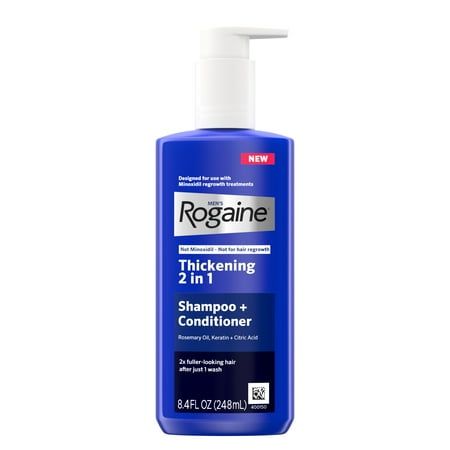
ROGAINE FOR MEN – Shop on Amazon
Myth 2: Poor hygiene causes alopecia
Some people believe that not washing hair regularly leads to hair loss. This myth can cause people with alopecia to feel unfairly judged.
Fact: Poor hygiene does not lead to hair loss. Conditions like alopecia develop due to genetic factors, immune issues, hormone changes, or health problems. Dirty hair alone does not cause it.
Myth 3: Hats or wigs will make you go bald
Many people think wearing hats, wigs, or scarves suffocates hair follicles, hence causing hair loss.
Fact: Hair follicles get their nourishment from blood and not the air around them. Wearing hats or wigs will not result in alopecia. Ill-fitting wigs might bother your scalp, but they will not make you lose your hair.
Myth 4: Stress is the only cause of alopecia
Stress is often linked to hair loss, and while it does play a role, it is not the sole cause of alopecia.
Fact: Stress can lead to temporary hair shedding, such as telogen effluvium, but hair loss happens due to other factors, too. Hair loss can also be genetic, autoimmune (alopecia areata), or linked to health conditions. Stress plays one part in a bigger picture.
Myth 5: Alopecia is contagious
One of the most damaging misconceptions is the belief that hair loss can be “caught” from someone else and that it spreads like colds and flu.
Fact: Alopecia isn’t something you can catch. Physical contact, using shared combs, or being near someone with hair loss won’t pass it to you. The causes lie within the body and not in external infections.
Myth 6: Only older people lose hair
To some people, aging could be the only reason for alopecia, and it affects seniors only.
Fact: Alopecia can affect all ages. Children, too, may develop alopecia areata, while young adults, and even teenagers, can experience early hair thinning. It is not restricted to older adults only.
Myth 7: Trimming your hair makes it grow back thicker
This idea has stuck around for years. Many believe that trimming hair helps it grow faster.
Fact: Hair grows from follicles under the scalp. Cutting hair does not influence follicle function or hair thickness. It only makes regrowth look coarser because the ends are blunt.
Myth 8: Natural oils and remedies cure alopecia
Across several world cultures, people suggest herbal oils and homemade treatments as “solutions to treat alopecia.”
Fact: While oils can improve scalp health and make hair shinier, they cannot cure alopecia. Some cases resolve naturally, others need medical treatment. Always consult a dermatologist before relying on home remedies as the sole cure for hair loss.
Myth 9: Alopecia always causes permanent baldness
Hearing “alopecia” often makes people think of irreversible hair loss.
Fact: Some types of alopecia are temporary. For instance, alopecia areata may cause hair to fall out in patches, but it can grow back. Others, like androgenetic alopecia, may be progressive. Every case is unique and needs an individual diagnosis.
Myth 10: People with alopecia can’t lead normal lives
The saddest misunderstanding is thinking hair loss controls someone’s life.
Fact: Alopecia affects hair, not one’s potential, capabilities, intelligence, appearance, or ability to succeed. Many public figures with alopecia live confidently and thrive. It takes care, knowledge, and kindness to start breaking down these harmful ideas in society.
Breaking the Stigma Around Alopecia
The emotional weight of losing hair often feels worse than the condition itself because of stigmatization and wrong information. Educating others, sharing true facts, and supporting helpful treatments can replace myths and misconceptions with kindness and understanding.
At Dr. Abdiaziz Dermatology Clinic, we focus on giving precise diagnoses, compassionate care, and advanced treatments to address all types of hair loss. Whether you are experiencing mild hair thinning or sudden patchy loss, our dermatology experts are here to guide you.
Dr Abdiaziz Mohamed