

Eczema, also known as atopic dermatitis, is a skin condition that causes dryness, redness, and itching. If you have eczema, you probably know how hard it can be to deal with flare-ups.
Disclaimer: This is to be used only as an educational piece. Individuals should not use it to self-diagnose a skin condition or problem.
What makes it even harder is that eczema can be triggered by many everyday things. In this article, we’ll take a closer look at some common eczema triggers and offer practical tips on how to avoid them.
What Are Eczema Triggers?
An eczema trigger is anything that causes or worsens a flare-up. These triggers are different for everyone, but they usually make your skin dry, itchy, and red. You can better control your eczema and cut down on flare-ups by figuring out what sets them off.
1. Irritants in Skincare Products
Many skincare products contain chemicals, fragrances, or preservatives that can irritate your skin. These irritants might take away your skin’s natural moisture, which could make it more likely to get eczema.

How to Avoid This Trigger:
- Choose skincare products that are labeled “fragrance-free” or “for sensitive skin.”
- Avoid products with alcohol, as it can dry out the skin.
- Look for moisturizing creams or lotions that help lock in moisture, like those containing ceramides or glycerin.
Using gentle, natural skin care can help a lot with preventing flare-ups. Before using a new product, make sure to try it on a small area of skin first to make sure it doesn’t irritate you.
2. Cold and Dry Weather
Cold weather and low humidity can make your skin dry, which can make eczema flare-ups more likely. This happens a lot in the winter, when heating systems inside also dry out the air.
How to Avoid This Trigger:
- Use a humidifier in your home to keep the air moist.
- Apply a thick, emollient moisturizer regularly to prevent your skin from drying out.
- Wear soft, breathable clothing, and avoid wool or fabrics that can irritate the skin.
- Take shorter, lukewarm showers instead of hot ones, as hot water can strip away natural oils from your skin.
By taking steps to keep your skin hydrated and protected, you can help reduce the impact of cold, dry weather on eczema.
3. Allergens
Eczema and allergies often go hand in hand. Dust mites, pet dander, pollen, and mold are common allergens that can trigger eczema flare-ups. These allergens may irritate your skin or, in some cases, even make your immune system react, causing inflammation.
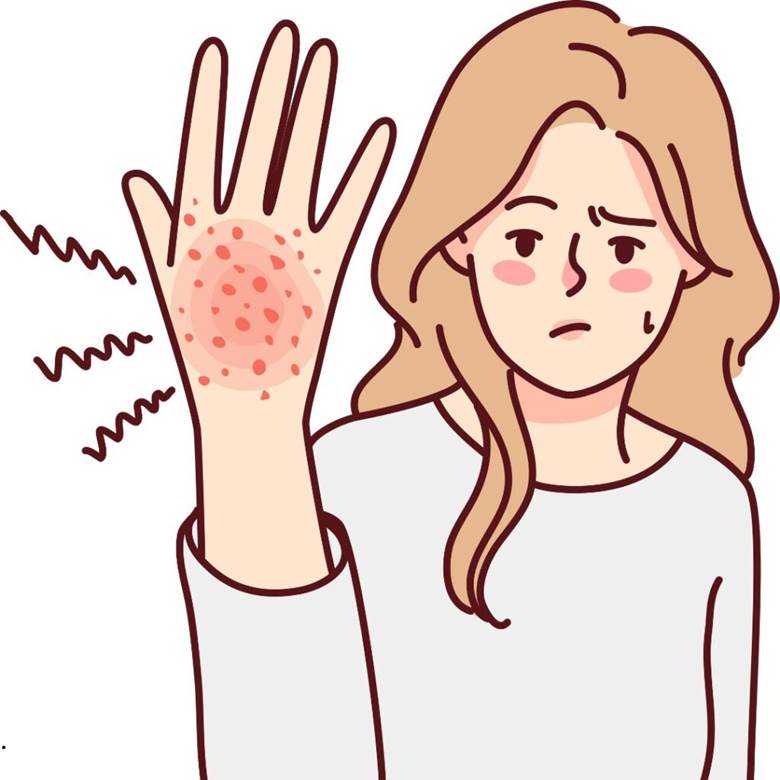
How to Avoid This Trigger:
- Keep your living space clean and dust-free. Use a vacuum to trap dust and allergens.
- Wash bedding and clothing frequently in hot water to remove allergens.
- If you have pets, try to keep them out of your bedroom or areas where you spend the most time.
- Use allergy-friendly bedding covers and keep windows closed during high pollen seasons.
Reducing exposure to allergens can help prevent eczema from worsening, especially if you’re sensitive to them.
4. Stress
Stress is a common cause of eczema. It can make your body release chemicals that make inflammation worse, which can cause a flare-up. A lot of people notice that their eczema gets worse when they’re under a lot of stress, like at work, with personal problems, or when their lives change.
How to Avoid This Trigger:
- Practice relaxation techniques like deep breathing and meditation.
- Try to manage your time to reduce stress, and take breaks when needed.
- Engage in activities you enjoy, like reading, walking, or spending time with friends and family.
By managing stress, you can help your skin stay calm and prevent eczema from acting up.
5. Hot Weather and Sweating
Cold weather can dry out your skin, but hot weather and sweating can do the opposite. Sweat can irritate your skin, and if you’re exposed to high temperatures, the skin can become inflamed, making eczema worse.
How to Avoid This Trigger:
- Wear loose, breathable clothing made from cotton to allow your skin to breathe.
- Take cool showers after sweating to remove any sweat and dirt from your skin.
- Stay in cool, air-conditioned environments when possible during hot weather.
- Keep your skin dry by using gentle, absorbent powders to help reduce moisture buildup.
In the summer, staying cool and dry can significantly reduce eczema flare-ups triggered by heat and sweat.
6. Certain Foods
For some people, specific foods can trigger eczema flare-ups. Common culprits include dairy, eggs, nuts, soy, and gluten. Not everyone with eczema is affected by food, but it’s a good idea to keep track of any links between what you eat and when your symptoms get worse.

How to Avoid This Trigger:
- Keep a food diary to track what you eat and when your eczema flares up.
- Try eliminating common food triggers one at a time to see if there’s any improvement.
- Consult a doctor or dermatologist before making drastic changes to your diet.
Working with a healthcare professional can help you determine if food allergies are contributing to your eczema.
7. Infections and Scratching
Eczema can make your skin more vulnerable to infections, especially if you scratch it. It may feel good to scratch, but it can break the skin and let bacteria or viruses in, which can make things worse and even lead to an infection.
How to Avoid This Trigger:
- Apply anti-itch creams or cold compresses to soothe the skin and reduce the urge to scratch.
- Keep your nails short and consider wearing gloves while sleeping to prevent scratching during the night.
- If you notice signs of infection, such as increased redness, pus, or swelling, seek medical help immediately.
By preventing infections and managing the itch, you can avoid making eczema worse.
8. Tight or Irritating Clothing
Wearing clothes that are tight, rough, or itchy can make eczema more prevalent, especially in places where skin rubs against skin. Wool, polyester, and other man-made fabrics are common causes of irritation.
How to Avoid This Trigger:
- Opt for soft, breathable fabrics like cotton, especially for undergarments and sleepwear.
- Avoid tight clothing that could rub against your skin and cause irritation.
- Wash new clothes before wearing them to remove any chemicals or dyes that might irritate your skin.
Choosing the right clothing can reduce skin irritation and keep eczema flare-ups at bay.
Conclusion
It takes some planning to make a home that is good for your skin, but it makes a big difference in how well you can control eczema. Your home is a sanctuary where your skin can rest and recover.
Your bedroom is a good place to start because you spend about eight hours there every night. Put allergen-proof covers on your pillows and mattress. Pick sheets made of cotton or bamboo and wash them once a week in hot water. Use a humidifier to keep the air at a comfortable level, and an air purifier if you need it.
In your bathroom, switch to fragrance-free, gentle products for everything from soap to toilet paper. Store these products in a cool, dry place to prevent them from spoiling or becoming contaminated.
The way you clean your kitchen also affects your skin. When you wash dishes, use dish soap that is gentle and doesn’t have a smell. Using hot water and detergent together can be hard on your hands.
Managing eczema triggers is an ongoing process, not a one-time fix. Stay flexible and adjust your approach as needed. With time and patience, you’ll develop a system that works for your lifestyle and keeps your skin as healthy as possible.
If you notice any signs of eczema, contact Dr. Abdiaziz Dermatology Clinic promptly. Early detection and treatment can help slow its progression and improve management.
DISCLAIMER: Our articles are for general educational purposes; don’t start any skin treatment or procedure without consulting a certified dermatologist.
Dr. Abdiaziz Mohamed