


If you or someone you know has been dealing with dry, itchy skin, there’s a chance it could be eczema. But what exactly is it, and how do you spot it early? In this article, we’ll go over the basics of eczema—what causes it, the symptoms to look out for, and how to tell if you’re dealing with it.
Disclaimer: This is to be used only as an educational piece. Individuals should not use it to self-diagnose a skin condition or problem.
What is Eczema?
Eczema, also called atopic dermatitis, is a condition that causes your skin to become red, inflamed, and itchy. It can appear anywhere on the body but is commonly found on the hands, face, behind the knees, and elbows. It might be uncomfortable, but the good news is, it’s manageable with the right care and treatment.
What Causes Eczema?
Eczema happens when your skin’s protective barrier is weakened, allowing moisture to escape and irritants to get in. This causes inflammation and dryness. Several things can trigger eczema:
- Genetics: If your family has a history of eczema, asthma, or allergies, you might be more likely to develop it.
- Environmental Factors: Things like dust, pollen, or harsh weather can irritate the skin and lead to flare-ups.
- Stress: High stress levels can trigger or worsen eczema.
- Certain Products: Some soaps, lotions, or laundry detergents can cause irritation.
Common Symptoms of Eczema
Eczema can look different from person to person, but here are some of the most common symptoms you should watch for:
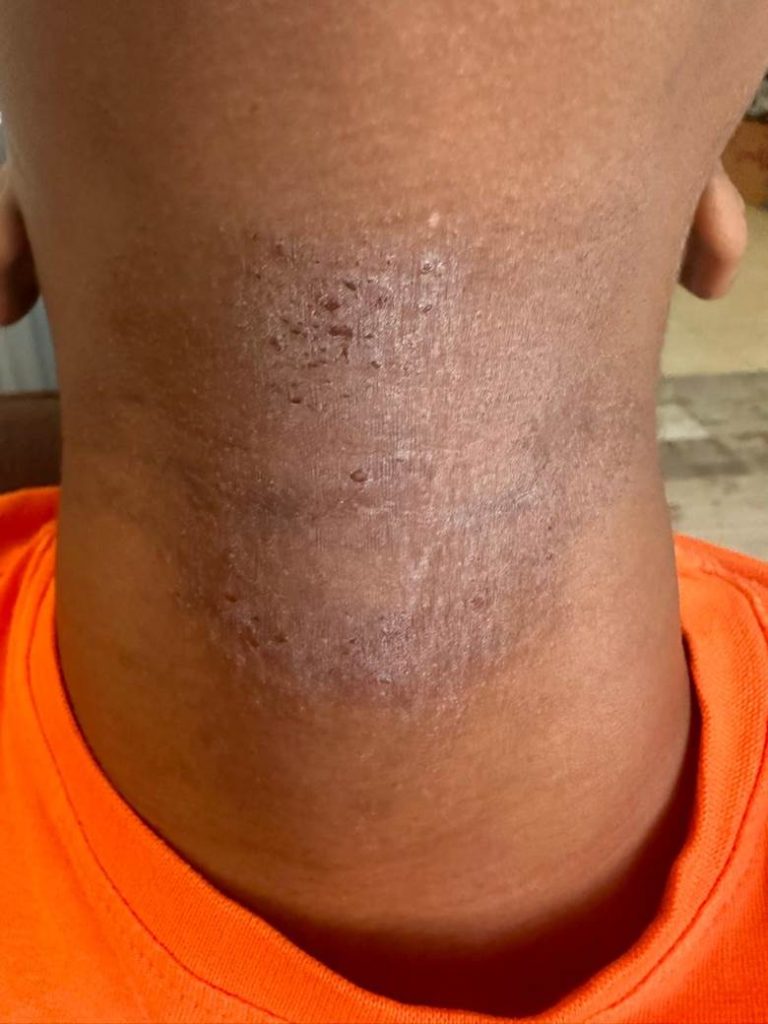
- Itchy Skin: The urge to scratch is often the first sign of eczema. It can be intense and frustrating, especially at night.
- Dry, Red Skin: The affected area often becomes dry, red, and inflamed. You may notice flaky patches or rough, scaly skin.
- Swelling and Blisters: In some cases, eczema can cause the skin to swell and form small blisters, which may leak fluid if scratched too much.
- Thickened Skin: Over time, scratching can lead to thickened skin, a condition known as lichenification.
Early Signs to Watch For
Catching eczema early can help you manage it before it gets worse. Here are some early signs to be aware of:
- Dry Skin: If your skin feels unusually dry and flaky, it might be a warning sign.
- Itchy Patches: Itchy spots that don’t go away or seem to appear in certain areas can be a sign of eczema.
- Red or Inflamed Skin: Areas of the skin that become red, warm, or swollen might be showing early signs of eczema.
- Rashes: Small, red bumps or a rash, especially in places like the elbows or knees, could point to eczema developing.
How to Manage and Treat Eczema
Other than treatment, here are many ways to manage eczema and keep flare-ups under control:
- Moisturize Often: Keeping your skin hydrated is key. Use a gentle, fragrance-free moisturizer regularly, especially after a bath or shower.
- Avoid Triggers: Try to identify what causes your eczema flare-ups and avoid those triggers. This might include harsh soaps, certain foods, or environmental factors.
- Use Gentle Products: Choose skincare and cleaning products that are fragrance-free and made for sensitive skin.
- Medication: In more severe cases, doctors may recommend creams, ointments, or even oral medications to help reduce inflammation and control symptoms.
When Different Ages Get Eczema
Eczema affects people differently depending on their age, and recognizing these patterns can help you understand what you’re dealing with.
In babies, eczema typically starts on the face and scalp. It might look like cradle cap or just persistent redness on chubby cheeks. Baby eczema often improves as children grow, but it can return later in life.
School-age children usually develop eczema in the classic spots – elbow creases, behind knees, and on hands and feet. This is often when the condition becomes more recognizable as the eczema most people know.
Adult eczema can be trickier to spot because it might look different from childhood eczema. It’s often more localized and might appear on hands, eyelids, or around the mouth. Adult-onset eczema is becoming more common, possibly due to increased stress and environmental factors.
The Emotional Side of Eczema
Living with eczema isn’t just about dealing with physical symptoms. The condition can take a real toll on your emotional well-being, especially when flares are visible or particularly itchy.
Many people with eczema report feeling self-conscious about their appearance. Red, flaky patches can make you want to hide under long sleeves even in summer. This is completely understandable, and you’re not alone in feeling this way.
Sleep disruption is another huge factor. When your skin is itchy and uncomfortable, getting a good night’s rest becomes nearly impossible. Poor sleep then makes everything else harder to cope with.
The unpredictable nature of eczema can be frustrating, too. Just when you think you’ve got it under control, a flare-up appears seemingly out of nowhere. This uncertainty can create anxiety about when the next outbreak might occur.
Conclusion
If you suspect you might have eczema, the most important thing is to start paying attention to patterns. Keep track of when symptoms appear, what might have triggered them, and how they respond to different treatments.
Eczema is incredibly common and very treatable. While it might feel overwhelming at first, millions of people successfully manage their symptoms and live normal, active lives. Understanding what you’re dealing with is the first step toward taking control of your skin health.
If you notice any signs of eczema, contact Dr. Abdiaziz Dermatology Clinic promptly. Early detection and treatment can help slow its progression and improve management.
DISCLAIMER: Our articles are for general educational purposes; don’t start any skin treatment or procedure without consulting a certified dermatologist.
Dr. Abdiaziz Mohamed